
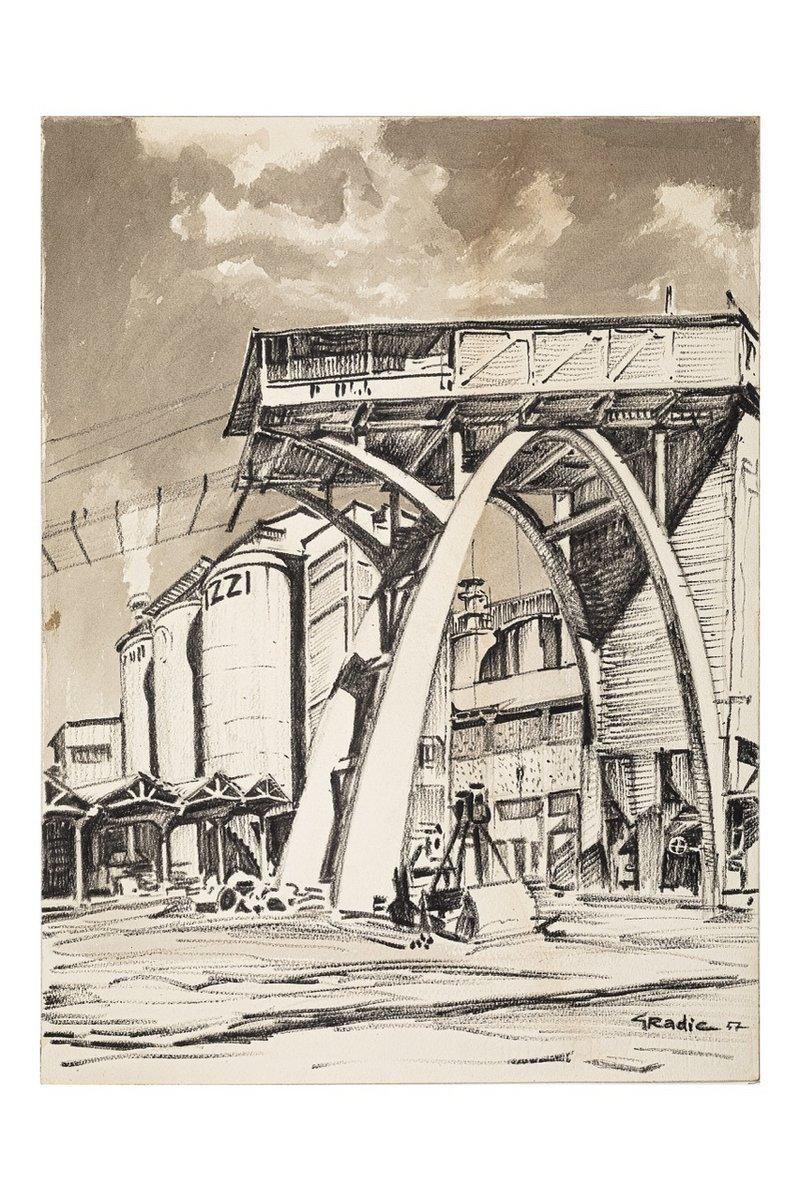
4 - Finished Cement
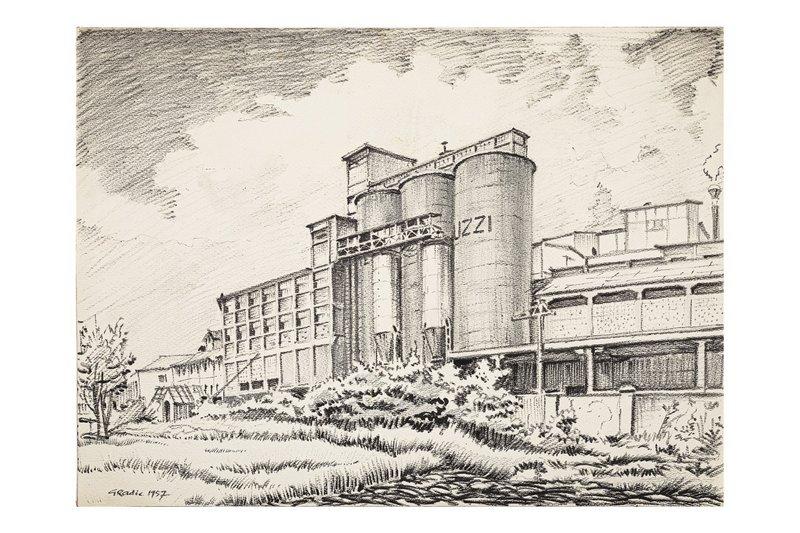
Cement is produced by finely grinding a carefully dosed mixture of clinker, gypsum, and other constituents. Gypsum, in particular, acts as a "setting regulator", allowing the cement to remain workable when mixed with water.
THE FINISH MILLS DEPARTMENT
This is the plant designed to grind clinker nodules with gypsum and additives until the finished cement is formed. The blending of clinker and other components is carried out in accurately predetermined proportions and is made homogeneous during the grinding process, which reduces the material to a very fine powder (80% of the particles have dimensions smaller than 6 hundredths of a mm).
The particle size distribution (granulometry) of the cement obtained through the grinding process helps determine the performance of the final product. Only in a finely pulverized state is cement able to react rapidly with water; this reaction will be faster the higher the fineness of grinding.
CEMENTS
By grinding clinker together with different components, cements with different characteristics and mechanical strength development are obtained, depending on their composition. A small percentage of gypsum or anhydrite is always added for the purpose of regulating the initial hydration process.
There are 5 main types provided for by the regulations:
- Type I - Portland Cement: obtained by grinding only clinker and gypsum.
- Type II - Portland-composite Cement: with a clinker percentage of at least 65%, it takes on various names and is divided into numerous subtypes depending on the type of additives: blast furnace slag, silica fume, pozzolana, fly ash, burnt shale, and limestone.
- Type III - Blast Furnace Cement: a mixture obtained by grinding clinker and granulated blast furnace slag. Granulated blast furnace slag is a latent hydraulic material that is activated during cement hydration, contributing to the mechanical strength and durability of the concrete.
- Type IV - Pozzolanic Cement: obtained by grinding a mixture of clinker (>45%) and pozzolana; pozzolana is a highly reactive natural siliceous material of volcanic origin.
- Type V - Composite Cement: a mixture consisting of Portland clinker and two or more additional main constituents, typically blast furnace slag (S), natural or artificial pozzolana (P or Q), and fly ash (V).
BAGGING AND BULK LOADING
Once produced, the cement is stored in silos and is ready for shipment. Through fully automated processes, it is loaded in bulk directly into road tankers, railway wagons, or ships. Alternatively, it is sent to the bagging department, where packing machines prepare 25 kg bags and assemble the pallets.
File audio
Continue browsing
ENG ENG 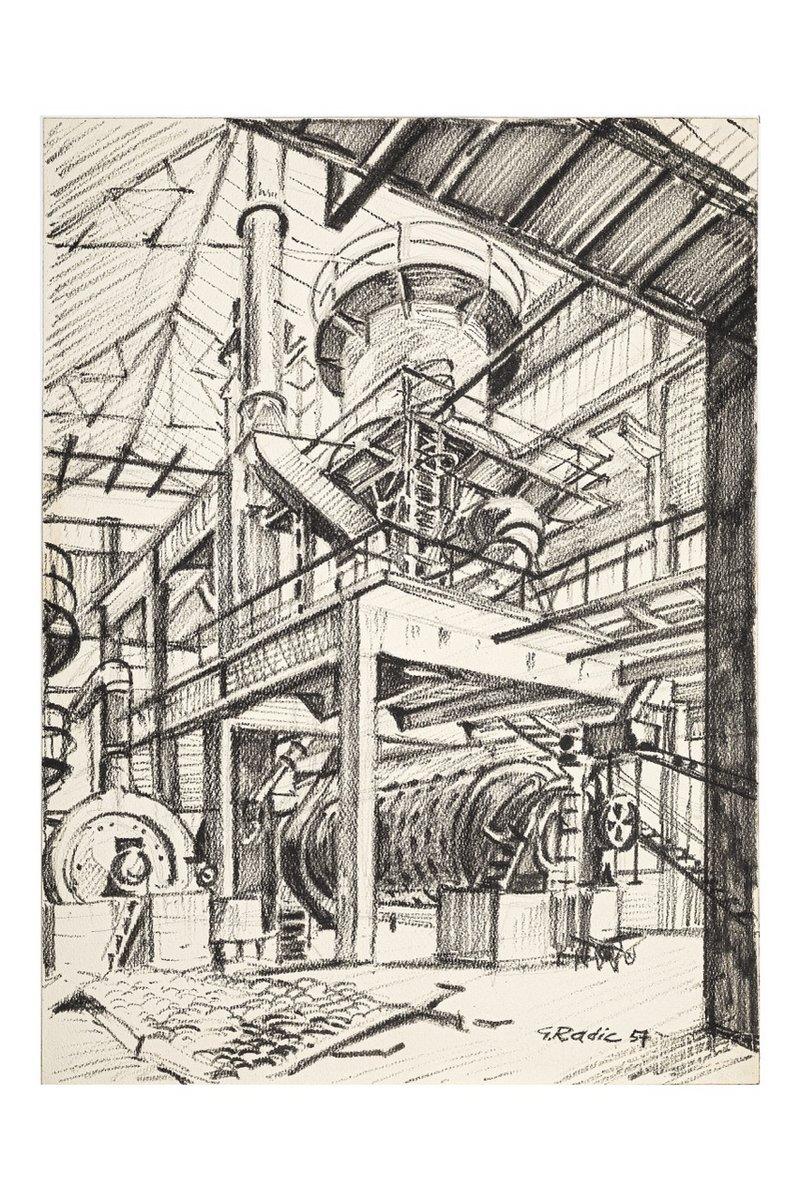
ENG 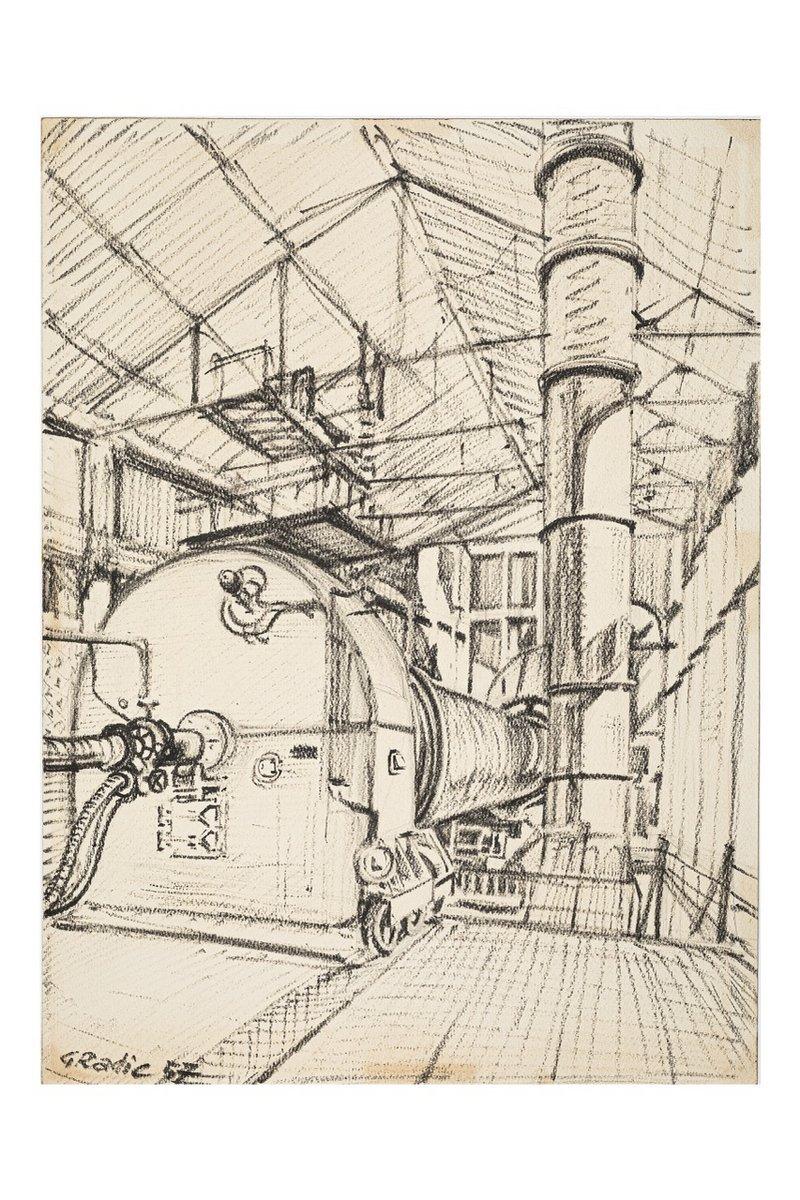
ENG